Prolapsed Hemorrhoids: Causes and Relief
Pristinecore is a digital platform dedicated to empowering readers with valuable, practical knowledge. We believe in delivering content that is both accessible and trustworthy across finance, health, technology, business, and lifestyle domains.
At first, just the name “prolapsed hemorrhoids” may give you an impression of something that only happens in a scary hospital show series. But the truth is, it’s a lot less rare and quite a bit less glamorous than that. Already, there is something quite awkward in the air when talking about hemorrhoids. Mixing in the word “prolapse” makes the matter sound even worse.
We shouldn’t over-do it. Truly, we deserve no condemnation for not understanding the issue quickly.
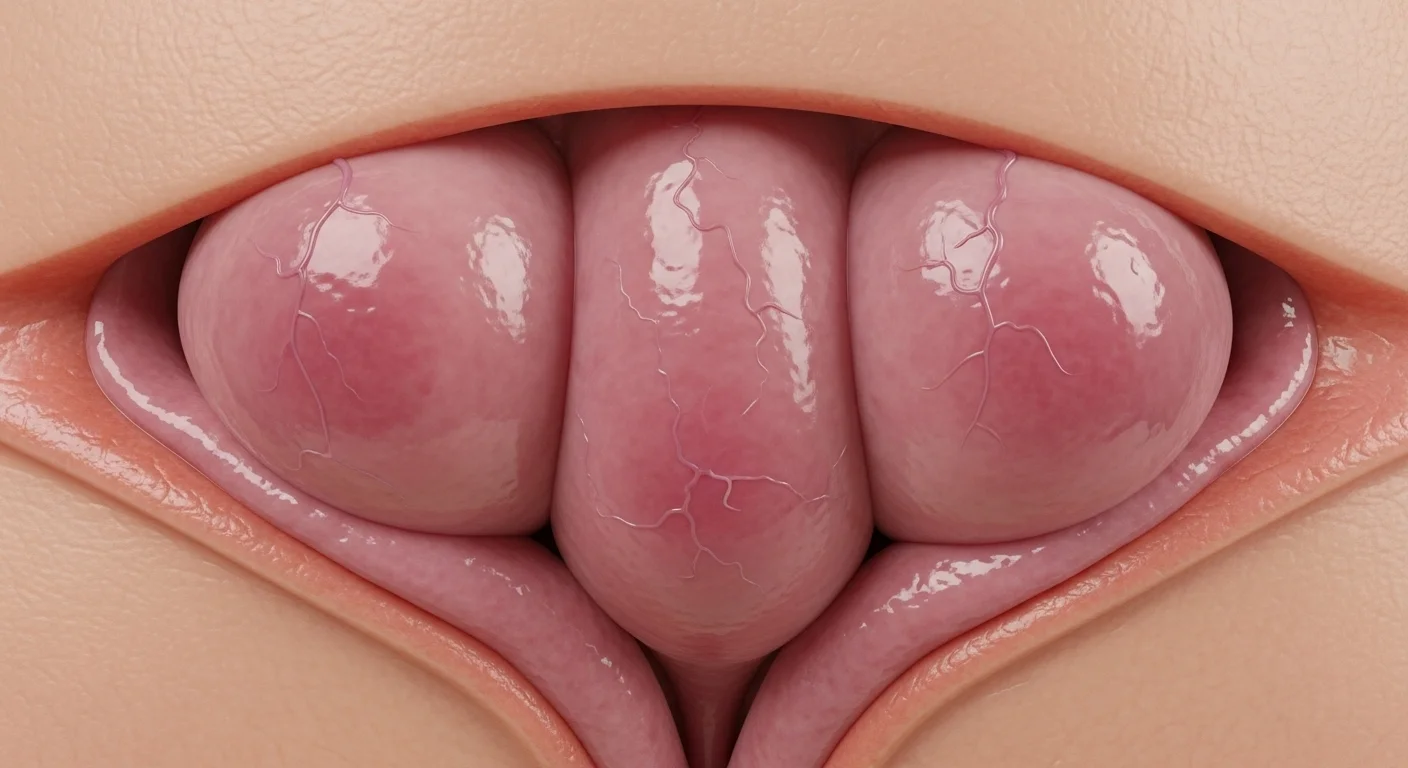
First of all, hemorrhoids are the inflamed veins in or near your anus and rectum.
The prolapsed hemorrhoid is one of those inflamed veins located inside your rectum that protrudes through the anal opening. In fact, it doesn’t always float out — quite the reverse, it sometimes recedes on its own.
There are some instances though, where it is at a certain distance (yes, this is where the question, “Can you push hemorrhoids back in?” comes from — the answer shall be given soon).
That phrase “prolapsed internal hemorrhoid” is telling you in a very clear way that the internal one decided to have a bit of fresh air outside.
Hemorrhoids vs Prolapse — Is It the Same Thing?

They are not the same. The main point as to why people often confuse hemorrhoids vs prolapse is that both names give this sort of impression “something has come out of its place”.
Hemorrhoids are swollen veins, which can be in and around the anus or the rectum.
Rectal prolapse means that part of the rectum is hanging down.
Comparing one to the other (rectal prolapse vs hemorrhoids), the former is usually more dangerous, extends more tissue, and may require urgent surgery. On the other hand, the size of a hemorrhoid prolapse is normally smaller, and in some cases can be reversed physically without surgery.
What Are Prolapsed Internal Hemorrhoids?
Prolapsed internal hemorrhoids are basically internal hemorrhoids that are hanging outside of the anus. Usually, they happen as a result of the support structures in your rectal area being weakened — due to straining, pregnancy, or chronic constipation.
Sometimes it is a temporary condition; quite often, however, it becomes a recurring problem.
Causes of Prolapsed Hemorrhoids
How come it occurs? Well, those veins in your rectal area are subjected to so much pressure over a long period of time.
The most common triggers are:
Straining at bowel movements (constipation’s best friend)
Chronic diarrhea
Pregnancy and labor
Continuous heavy lifting
Prolonged toilet sitting — and yes, that time you were scrolling through TikTok for 30 minutes counts
Aging — tissues weaken naturally
You may even ask, “Can sitting cause hemorrhoids?” — yes, staying seated for a long time, particularly on a hard surface, can raise the risk of developing hemorrhoids.
Symptoms
Prolapsed hemorrhoids are usually accompanied by these symptoms:
Hard painful swelling at the anal area
Unbearable itching
Discomfort while sitting down
Bleeding noticed during defecation
Discharge of mucus
Following a hemorrhoid “popping” (or if that’s what you think), more abrupt bleeding is what you might observe. We are going to discuss later if hemorrhoids can pop.
FAQs — People Also Ask
Can hemorrhoids burst? Yes, particularly thrombosed hemorrhoids under pressure. It’s uncommon, but they can bleed a lot.
How do you treat a thrombosed hemorrhoid at home? Warm baths, ice packs, and OTC creams can help, but see a doctor if pain is intense.
Do hemorrhoids pop on their own? They may break on their own due to pressure, often during bowel movements.
Is walking good for prolapsed hemorrhoids? Definitely, as it encourages good blood flow and prevents constipation.
Will prolapsed hemorrhoids go away without surgery? Yes, in the early stages. Advanced stages often require medical intervention.